
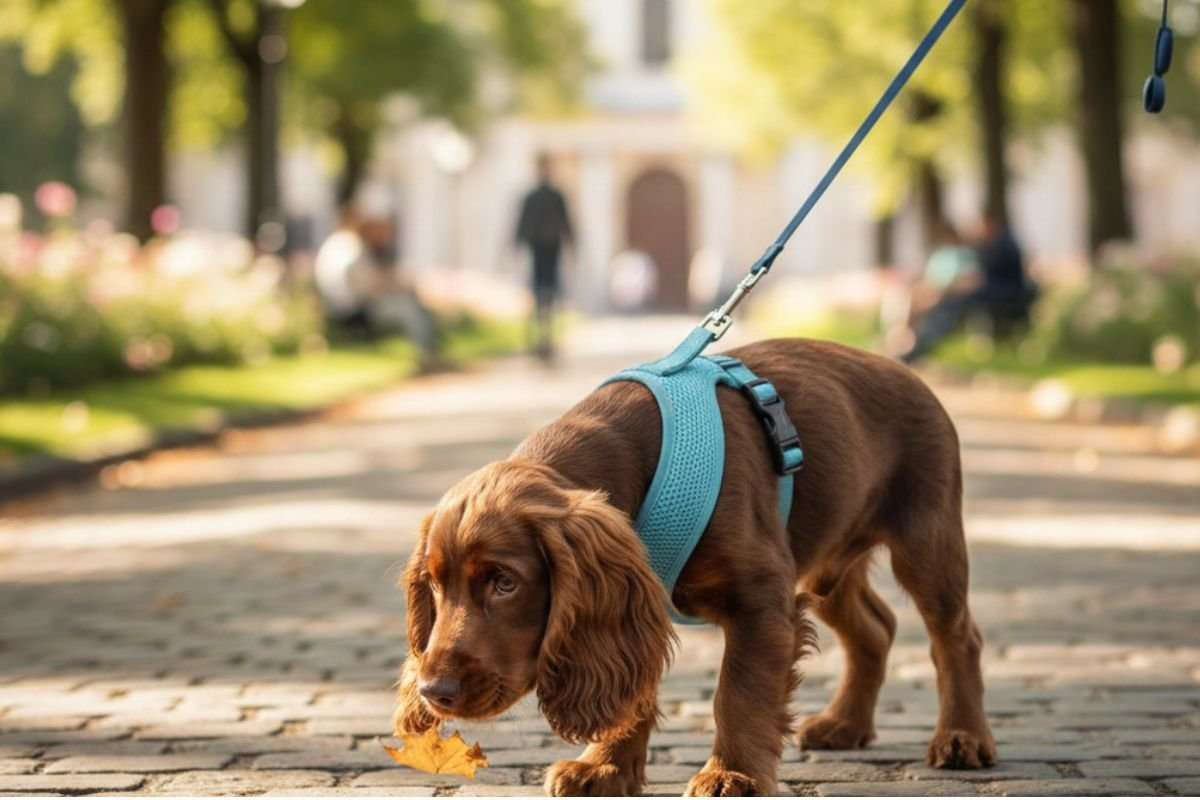
Knowing when puppies can go for walks is one of the first safety decisions new owners face. The answer depends on three things: your puppy’s vaccine schedule, your local disease risk, and how you handle early socialization.
A puppy should not be rushed into busy sidewalks, dog parks, or unknown dog areas too early. At the same time, early exposure matters. The goal is a balanced plan: protect your puppy’s health while helping them experience the world in a calm, controlled way.
Quick Take: The Safest Way to Start
- Ask your veterinarian when your puppy can walk on public ground, based on vaccines and local risk.
- Many puppies begin real outdoor walks after their core vaccine series is complete and the vet gives the go-ahead.
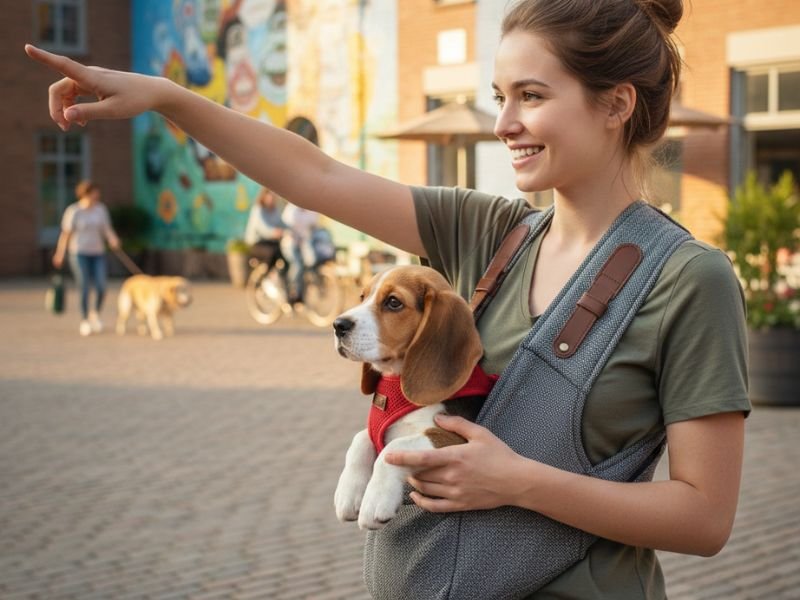
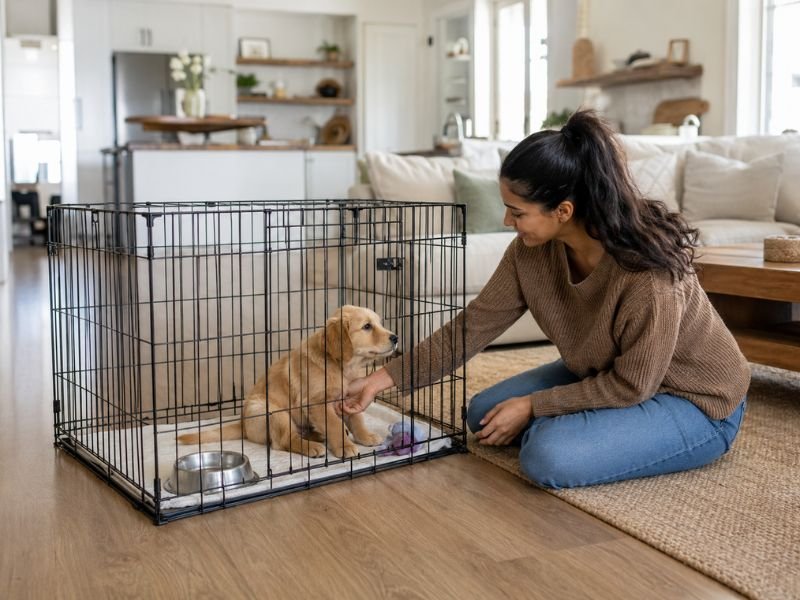
- Before that, puppies can still socialize safely from your arms, a carrier, a stroller, the car, or controlled private spaces.
- First walks should be short, quiet, clean, and positive.
Puppy Walking Guide: Age, Safety, and First Routes
| Puppy stage | What it usually means | Safest first step |
|---|---|---|
| 8–10 weeks | Early socialization window, still medically vulnerable | Carry your puppy, use a stroller, or visit controlled indoor spaces |
| Not fully vaccinated | Can learn about the world, but needs disease-risk control | Avoid public ground, dog parks, pet stores, and unknown dogs |
| Vaccine series nearly complete | Close to real walks, but timing still depends on your vet | Confirm when public sidewalks are appropriate |
| First few outdoor walks | New sounds, smells, people, cars, and surfaces | Keep routes short and repeat the same quiet area |
| Nervous or frozen puppy | Too much stimulation too soon | Reduce distance, lower noise, and end on a calm note |
How to Start Puppy Walks Safely
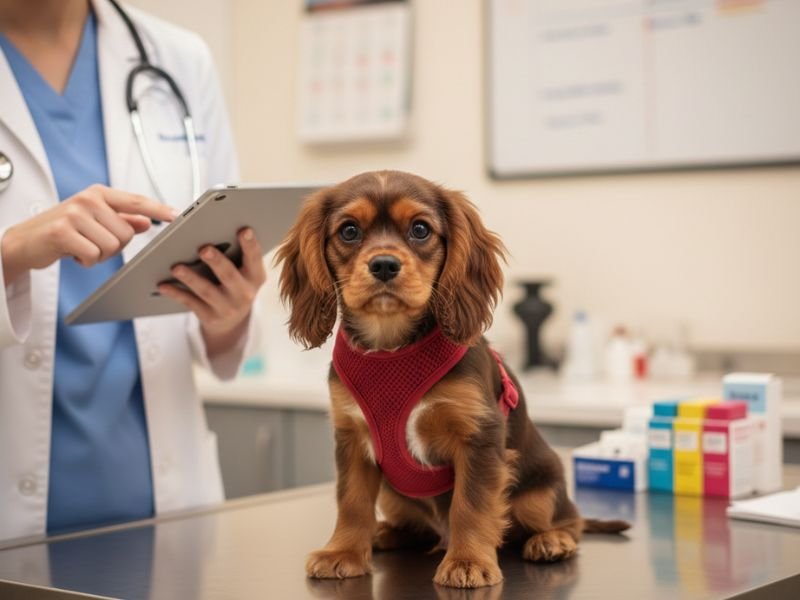
1. Confirm the vaccine timeline with your vet
Before your puppy walks on sidewalks, parks, apartment grass, or shared outdoor areas, ask your vet directly:
- When can my puppy touch public ground?
- Should we avoid specific areas in our neighborhood?
- Is parvovirus risk high locally?
- Is my puppy up to date on deworming and parasite prevention?
- Are there any health reasons to slow down?
This gives you a clear plan instead of guessing from general advice online.
2. Socialize before full public walks
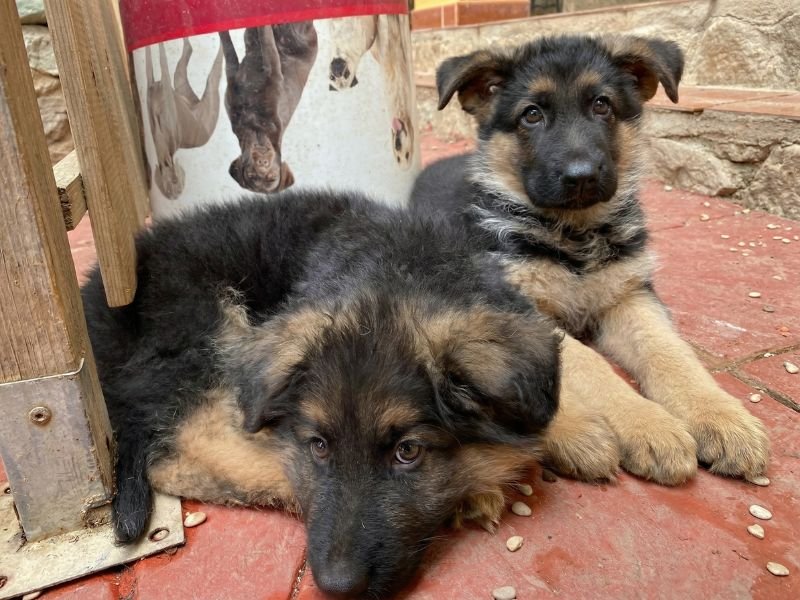
A puppy can learn about the world before walking through it. Safe early exposure can include:
- Being carried outside for short periods
- Sitting in a parked car with the windows slightly open
- Watching people, bikes, and traffic from a safe distance
- Visiting a friend’s home with a healthy, vaccinated dog
- Exploring clean private spaces your vet approves
- Attending a well-run puppy class with vaccine and hygiene requirements
This helps your puppy meet the world without unnecessary exposure to contaminated ground or unknown dogs.
3. Choose a quiet first route
The first real walk should feel easy. Start with a clean, low-traffic area close to home.
Good first routes include:
- A quiet sidewalk
- A calm residential street
- A clean private driveway
- A short loop around the block
- A familiar area your puppy has already seen from your arms
Avoid turning the first walk into a long outing. For many puppies, 5 to 10 minutes is enough.
4. Use simple, secure walking gear
Keep the setup comfortable and predictable. A lightweight, well-fitted harness is often easier for puppies than walking from a collar, especially if they startle or pull backward.
Use:
- A soft, secure harness
- A fixed leash, not an extendable leash
- Small, soft treats
- A waste bag
- ID tags when available
The goal is control without pressure. Your puppy should be able to sniff, pause, observe, and recover.
BELPAW Check🐾
Signs You Should Not Ignore
Some puppies walk happily from day one. Others need a slower start. What matters is noticing when the walk is becoming too much.
Watch for:
- Freezing or refusing to move, which can mean the environment feels too intense.
- Constant leash biting, especially if it appears suddenly during the walk.
- Repeated yawning, shaking off, or scratching, which may signal tension.
- Hiding behind your legs or avoiding people, dogs, cars, or new surfaces.
When these signs appear, make the next outing shorter and calmer. Reward your puppy for noticing something new and staying relaxed. Progress comes from small successful repetitions, not from pushing through fear.
Common Mistakes
The first walks should build confidence. These mistakes can make the experience harder than it needs to be:
- Starting with a dog park, busy sidewalk, or crowded public area.
- Letting your puppy greet unknown dogs too early.
- Walking through public grass with visible feces, puddles, or dirty corners.
- Using an extendable leash before your puppy understands basic leash movement.
A safer rule is simple: start with the cleanest, quietest, most predictable route, then add variety gradually.
Smart Tips for Better First Walks
Small adjustments can make early walks much easier for your puppy to process:
- Repeat the same short route for several days before adding new places.
- Reward calm observation, not only walking forward.
- Let your puppy sniff and pause without rushing.
- End the walk before your puppy becomes tired or overstimulated.
The goal is not distance. The goal is helping your puppy learn that the outside world is safe, interesting, and manageable.
FAQ
Can an 8-week-old puppy go outside?
Yes, but usually with limits. An 8-week-old puppy can often go outside safely in your arms, a carrier, a stroller, the car, or a controlled private space. Walking on public ground should wait until your veterinarian says it is appropriate.
Can my puppy meet other dogs before being fully vaccinated?
Yes, in controlled situations. Choose healthy, friendly, vaccinated dogs you know well. Avoid unknown dogs, dog parks, and busy public dog areas until your vet confirms your puppy is ready.
How long should the first puppy walk be?
Start with 5 to 10 minutes. Keep it calm, repeatable, and close to home. End while your puppy is still doing well rather than waiting until they are overstimulated.
A useful starting point is the “5 minutes per month of age” rule: around 5 minutes of structured walking for each month of your puppy’s age, once or twice a day. It is not a strict formula, but it helps prevent early walks from becoming too long, tiring, or overwhelming.
Final Thoughts
The safest first walks start with a clear veterinary plan, a clean route, and a gentle pace. Your puppy does not need long walks at the beginning. They need calm exposure, secure equipment, and short experiences that feel manageable. Once your vet confirms public ground is safe, build slowly: same route, quiet time of day, plenty of sniffing, and a calm return home.
External References
- American Veterinary Society of Animal Behavior — Puppy Socialization Position Statement
- American Veterinary Medical Association — Canine Parvovirus
- World Small Animal Veterinary Association — Core and Non-Core Vaccines for Pet Dogs