
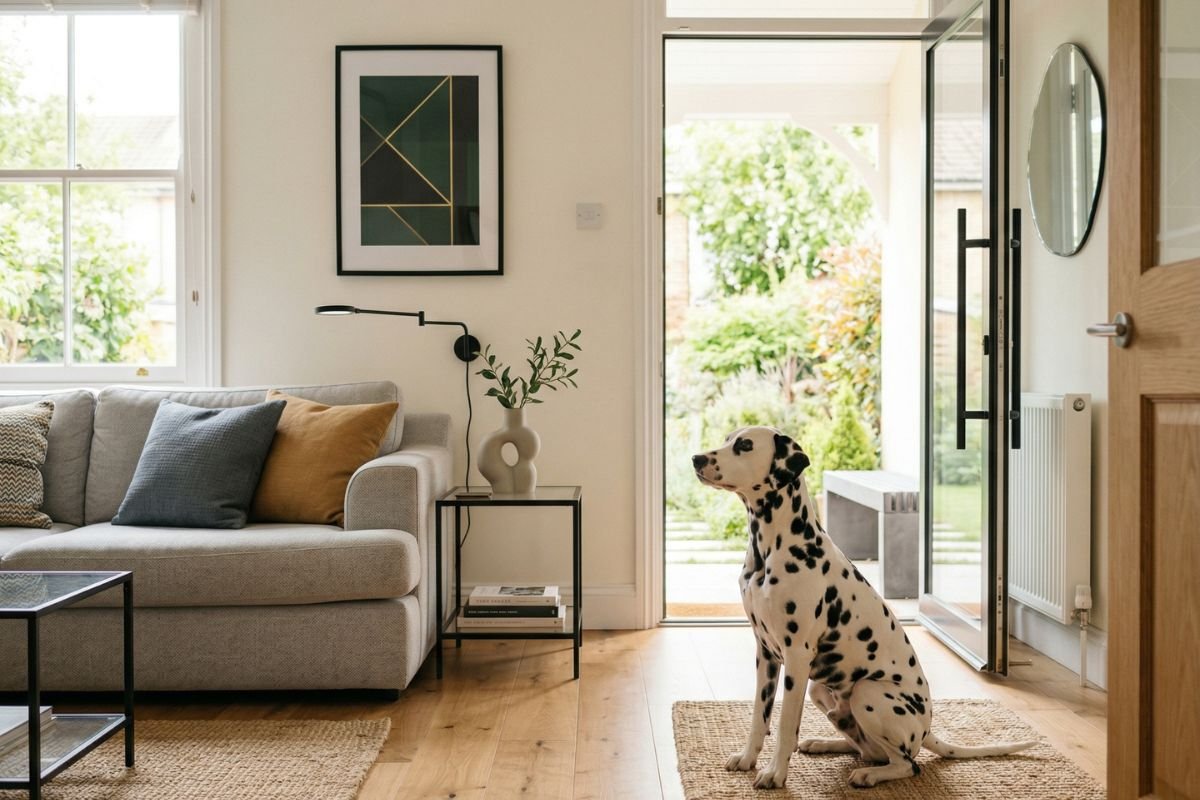
If your dog barks when left alone, the barking is usually a sign of something deeper: anticipation, frustration, environmental alertness, or real separation-related distress. Understanding the cause matters because a dog who barks at hallway noise needs a different plan than a dog who panics the moment you pick up your keys.
The goal is not only to make the barking stop. The better goal is to help your dog feel more settled, predictable, and safe when home alone. That starts with observation, small changes, and a gradual plan your dog can actually handle.
Quick Take: What to Check Before You Work on the Barking
- Record the first 10–15 minutes after you leave. It tells you more than guessing from outside the door.
- Barking may come from separation distress, alert behavior, boredom, or a mix of several triggers.
- Avoid punishment when you return. It can add stress and does not teach your dog how to stay calm alone.
- Keep departures and returns low-key and predictable, so they carry less emotional weight.
Home-Alone Barking Guide: What the Pattern May Mean
| What you see | What it may mean | Best first step |
|---|---|---|
| Barking starts right after you leave, then fades | Initial anticipation or frustration | Reduce departure rituals and practice short exits |
| Barking comes with pacing, howling, drooling, or damage | Stronger separation-related distress | Use a gradual plan and consider professional help |
| Barking is aimed at windows, doors, or hallway noise | Environmental alertness | Reduce visual and sound triggers |
| It only happens on some days | Routine or stimulation varies | Check exercise, rest, and pre-departure sequence |
| Your dog ignores food or toys when you leave | Arousal is too high | Lower the difficulty and shorten absences |
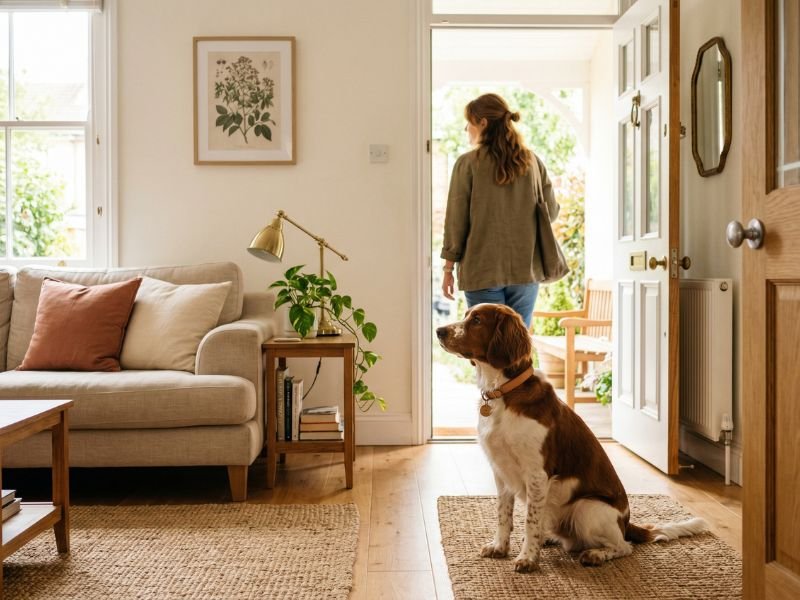
How to Help Your Dog Stay Quieter When Home Alone
1. Record the first 10 to 15 minutes
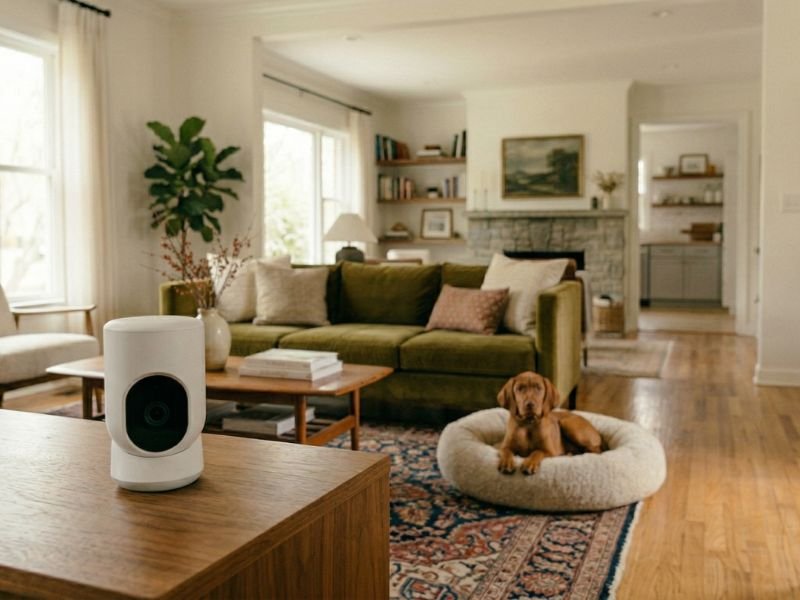
Before changing the routine, find out what is actually happening. A short video can show whether your dog settles, escalates, watches the door, reacts to noise, or moves around in distress.
Look for:
- When the barking starts
- Whether it increases or decreases
- Body language such as pacing, panting, trembling, scratching, or fixation on the door
- Whether outside sounds, windows, or neighbors trigger the barking
This step helps you avoid treating every case as anxiety when the real trigger may be environmental.
2. Lower the emotional weight of leaving
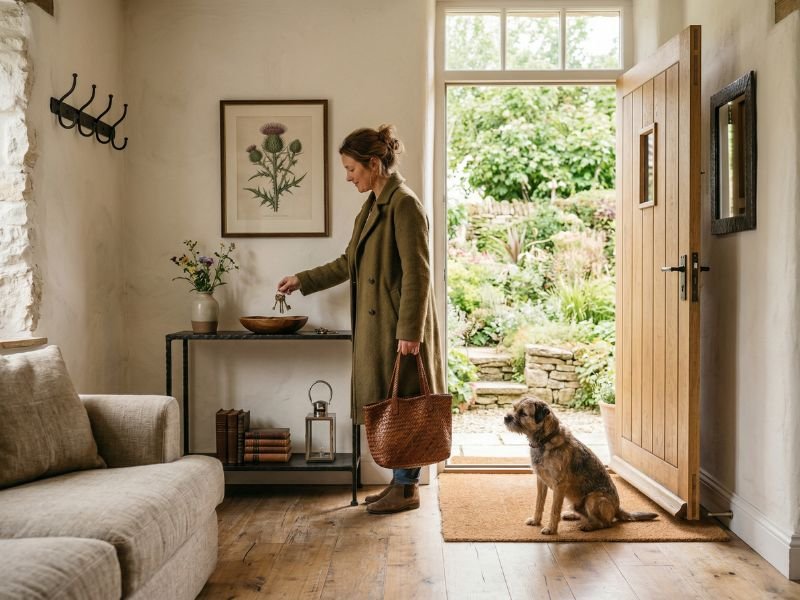
Many dogs learn the full departure sequence: shoes, coat, keys, bag, door. By the time you leave, their body is already activated.
Start making those signals less meaningful. Pick up your keys and sit down again. Put on your coat, then make coffee. Open the door briefly without leaving for long.
Keep goodbyes simple. A calm, short exit is usually easier for a sensitive dog than a long emotional farewell.
3. Practice micro-absences below threshold
For dogs who struggle when left alone, the first successful absence may be very short. That is normal. The aim is to build calm repetitions, not test how long your dog can cope.
Start with an absence your dog can manage without escalating. That may be a few seconds at first. Return calmly, wait for normal behavior, then repeat later.
Progress only when your dog remains settled. If the barking increases, the step was probably too difficult.

4. Increase time only when the response is stable
Once your dog can handle very short exits, increase time gradually. The progression should feel boring, predictable, and manageable.
Avoid jumping from 30 seconds to 10 minutes too quickly. Dogs learn best when the next step feels close to what they already understand.
If your dog starts barking harder, pacing, howling, or refusing food, pause and go back to an easier level.
Adjust the Home Environment Before You Leave
The home setup can make barking better or worse. A dog who spends the day watching the street, hallway, front gate, or shared garden may stay in alert mode for hours.
Try to create a calmer space with fewer triggers:
- Block direct access to busy windows or doors
- Use a quiet resting area away from building noise
- Leave safe enrichment only if your dog can use it calmly
- Keep the pre-departure routine steady and low-stimulation
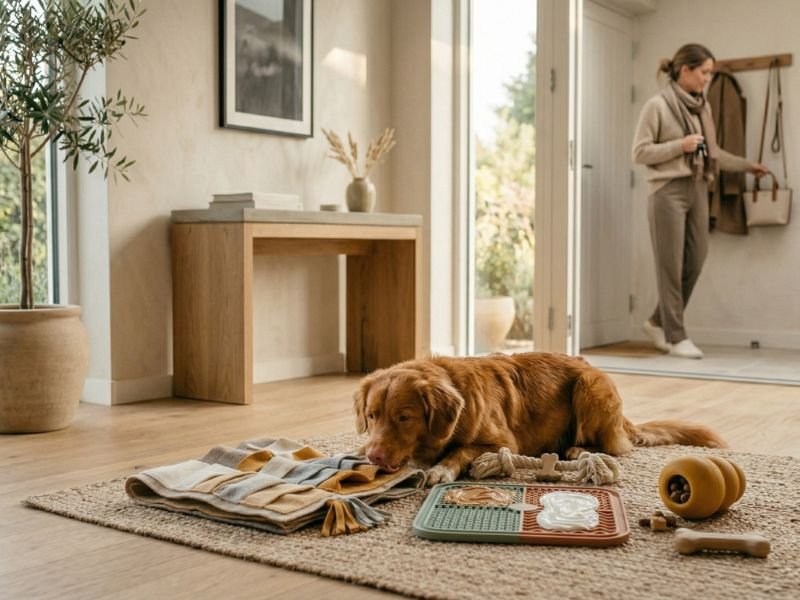
Food puzzles, safe chew items, or scatter feeding can help some dogs, but they are support tools. If your dog is too stressed to eat, the plan needs to become easier.
BELPAW Check 🐾
Signs You Shouldn’t Ignore
- Strong barking can be part of a wider distress pattern. Pay closer attention if your dog also shows howling, destruction, drooling, trembling, panting, pacing, escape attempts, or house-soiling when left alone.
- If the behavior is intense, getting worse, or putting your dog at risk of injury, a qualified positive-reinforcement trainer, veterinary behaviorist, or veterinarian can help you build a safer plan.
Common Mistakes
- The most common mistake is starting with absences that are too long. Another is punishing the dog after returning home. The dog may connect your return with tension, but they will not learn how to feel safer alone.
- Avoid using bark collars or harsh corrections for separation-related barking. They may suppress sound while leaving the emotional problem unresolved.
Smart Tips
- Measure progress by real calm, not just silence. A quiet dog who is pacing, panting, or frozen is still not relaxed.
- Work with small, repeatable steps. A few successful short sessions usually teach more than one long absence that pushes the dog past their limit.
FAQ
Is it normal if my dog only barks for the first few minutes?
It can happen. Some dogs show initial frustration or anticipation and then settle. Still, record the pattern so you know whether the barking is fading, staying steady, or escalating over time.
How do I know if it is separation anxiety or alert barking?
Separation-related distress often comes with signs such as pacing, howling, panting, drooling, destruction, or intense anticipation before you leave. Alert barking is more often connected to specific triggers such as hallway sounds, neighbors, windows, or movement outside.
Should I tire my dog out before leaving?
A calm, useful walk can help, but over-excitement right before departure may make some dogs more activated. Aim for balanced movement, sniffing, bathroom time, and a quiet transition before you go.
Final Thoughts
When a dog barks after being left alone, the best results come from reading the pattern before choosing the solution. Start with video, reduce departure intensity, adjust the environment, and build alone time gradually.
If the barking comes with panic, damage, escape attempts, or clear distress, do not wait for it to become a habit. The earlier you support the dog with the right plan, the easier it is to protect both their emotional wellbeing and your home routine.
External References
- ASPCA — Separation Anxiety
- ASPCA — Barking
- Humane World for Animals — Calm a Dog With Separation Anxiety Symptoms
- AVSAB — Humane Dog Training Position Statement
Related Reads
- How to Teach Your Dog Not to Pull on the Leash
- Dog Harness vs Collar: Which Is Better?
- Best No-Pull Dog Harnesses
- How to Get Rid of Dog Smell in Your House
- How to Clean Your House After Fleas on Dogs
- Best Air Purifiers for Homes with Dogs
- New Puppy Checklist: 10 Essentials to Start With
- When Can Puppies Go for Walks?
- Best Puppy Playpens
- Best Puppy Beds