
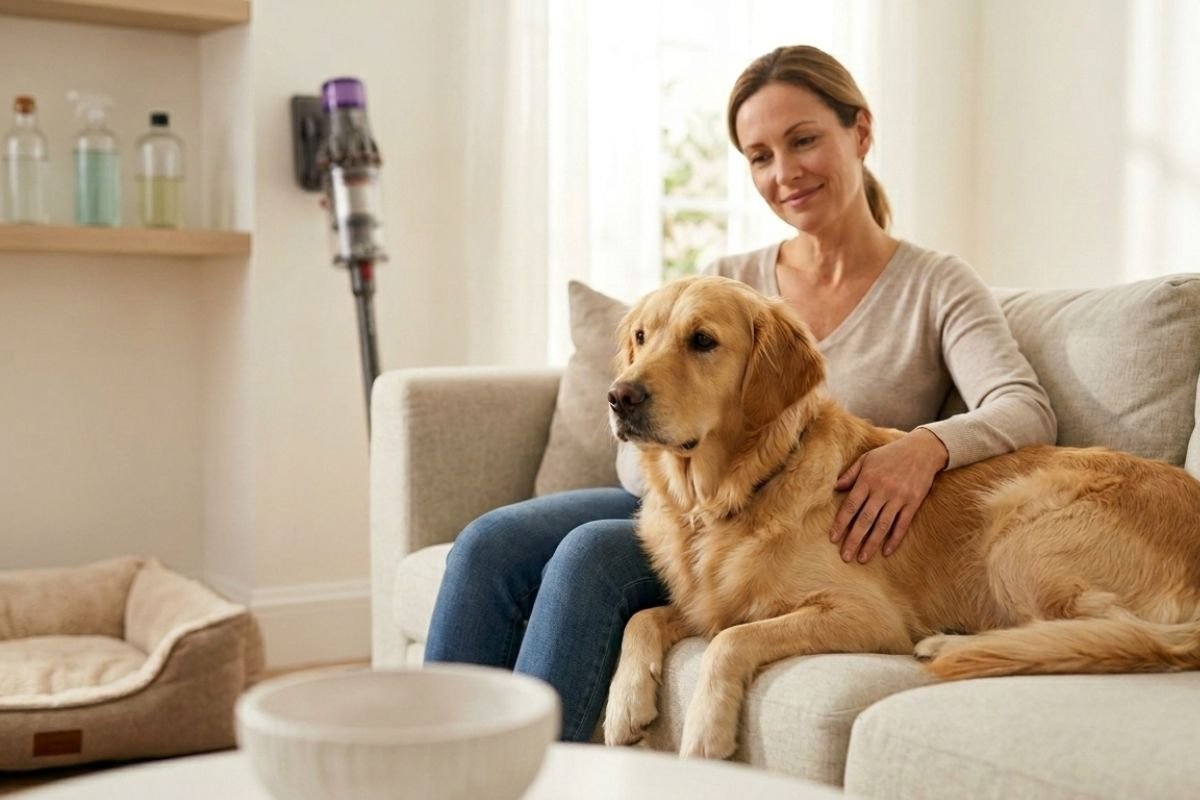
If you are wondering how to clean your house after fleas on dogs, the goal is to break the flea cycle where your dog rests, sleeps, and moves every day. Fleas on your dog are only part of the problem. Eggs, larvae, and flea dirt can collect in bedding, rugs, sofa cushions, floor cracks, baseboards, and other quiet areas around the home.
The most effective approach combines veterinary-approved flea treatment, focused home cleaning, and several weeks of follow-up. Household cleaning helps remove flea stages from the environment, but it works best when your dog is protected at the same time.
Quick Take: What Helps Stop Fleas at Home
- Treat the dog and the home environment together; cleaning alone usually leaves the cycle active.
- Focus first on dog bedding, blankets, sofas, rugs, baseboards, and favorite resting spots.
- Use frequent vacuuming and textile washing as your main home-cleaning tools.
- Keep checking for several weeks, especially if your dog has itching, flea dirt, sensitive skin, or other pets at home.
Flea Cleaning Guide: What to Clean First
| Situation | What it may mean | Best first step |
|---|---|---|
| Your dog is scratching more than usual | Fleas, irritation, or flea allergy dermatitis may be involved | Check the coat and contact your veterinarian if the skin looks inflamed |
| You see black specks in the coat or bedding | This may be flea dirt | Start washing bedding and vacuuming resting areas |
| You only found one flea | More flea stages may already be in the home | Treat your dog and clean key zones immediately |
| The home improves, then itching returns | Environmental activity may still be present | Continue vacuuming, washing, and monitoring |
| You have cats, puppies, or multiple pets | Some products are not safe for every animal | Ask your veterinarian before applying any flea product |
How to Clean Your House After Fleas on Dogs
1. Treat your dog first
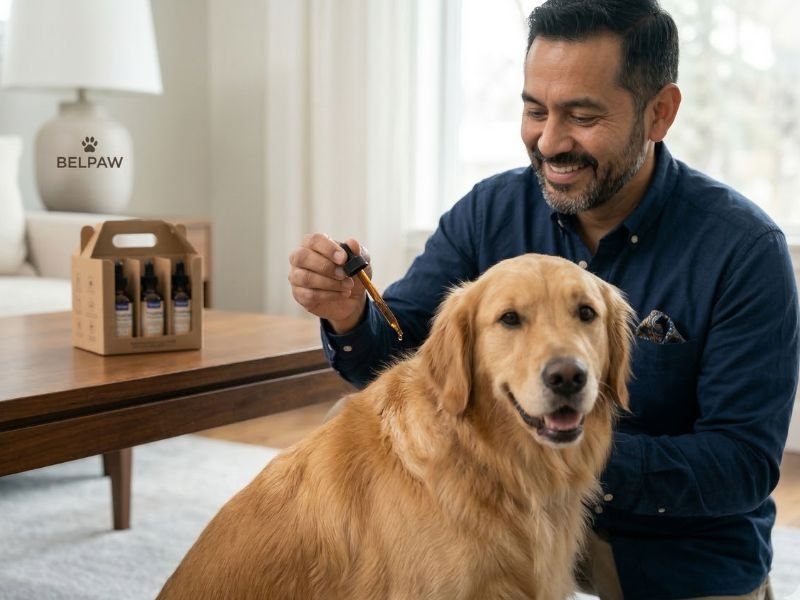
Start with your dog, because the home will keep getting re-exposed if the pet is not protected. Use a flea product that matches your dog’s species, weight, age, health status, and lifestyle.
Check the base of the tail, belly, inner thighs, neck, and behind the ears. A fine-tooth flea comb can help you find adult fleas or dark flea dirt. If your dog has redness, scabs, hair loss, hot spots, or intense scratching, contact your veterinarian. Fleas can trigger strong skin reactions in sensitive dogs.
Be especially careful in homes with cats. Some flea products made for dogs can be dangerous for cats, so never apply a dog flea treatment to a cat unless your veterinarian specifically tells you to.
2. Wash bedding and high-contact textiles
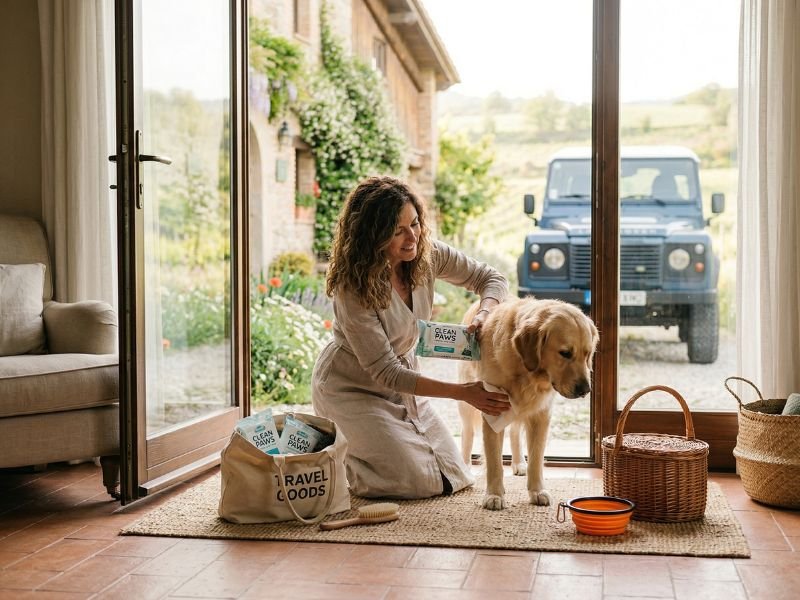
Wash your dog’s bed, blankets, crate mats, sofa throws, towels, and any washable fabric your dog uses often. Follow each textile’s care label and use the warmest safe setting for that material.
Focus on high-contact zones rather than trying to wash the entire home at once. The most important items are the ones your dog touches daily: sleeping areas, favorite sofa spots, car blankets, and soft bedding.
Dry everything completely before putting it back. Moisture can make soft areas less hygienic and less pleasant for your dog. If the infestation was heavy, repeat textile washing during the first few weeks as part of your follow-up routine.
3. Vacuum the right places
Vacuuming is one of the most useful home steps because it helps remove adult fleas, eggs, larvae, and organic debris from the areas where the flea cycle can continue.
Pay attention to:
- Rugs, carpets, and mats
- Sofa cushions, seams, and fabric folds
- Baseboards, corners, and cracks
- Under furniture and dog resting areas
Use attachments for edges, seams, and tight spaces. After vacuuming, empty the vacuum canister or remove the bag according to the manufacturer’s instructions. If possible, dispose of the contents outside the home.
During the first stage of control, vacuum more often in the areas where your dog spends the most time. The goal is not perfect deep cleaning everywhere; it is consistent pressure on the places that matter most.
4. Clean hard surfaces and pet items safely
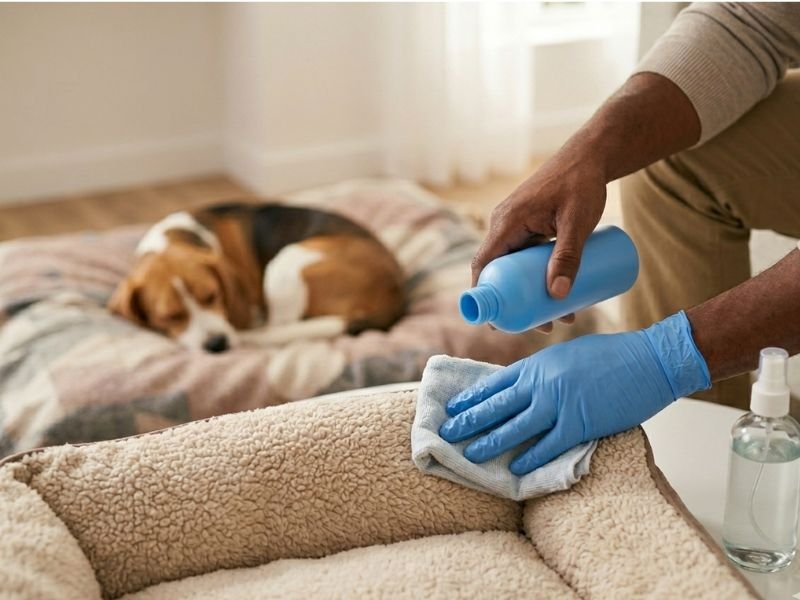
For hard floors, washable accessories, crates, bowls, and plastic or metal pet items, use products suitable for that surface. Regular cleaning helps remove debris, flea dirt, and residue, but flea control depends mainly on treating the dog, washing textiles, and vacuuming the right areas.
Be careful with strong disinfectants, essential oils, powders, or homemade mixtures around pets. Many products that seem harmless can irritate paws, skin, airways, or cause problems if licked. Keep your dog away from freshly treated surfaces until everything is dry and safe.

How Long to Keep Cleaning After Fleas
Flea control can take time because different flea stages may still be present in the home. You may see fewer adult fleas quickly, but that does not always mean the cycle has fully stopped.
For several weeks, keep a simple routine:
- Vacuum resting areas and rugs regularly.
- Rewash bedding if you see flea dirt or renewed scratching.
- Check your dog’s coat with a flea comb.
- Include the car if your dog rides often.
If the problem keeps returning, the infestation may be heavier than it looks, or another pet may be untreated. In that case, your veterinarian can help you adjust the prevention plan, and a licensed pest professional may be appropriate for severe household infestations.
BELPAW Check🐾
Signs you should not ignore: intense scratching, red skin, scabs, hair loss, repeated biting near the tail, pale gums, weakness, or signs of discomfort in puppies or senior dogs.
Common mistakes: treating only the house, skipping the dog’s bedding, using dog flea products around cats without guidance, stopping cleaning too soon, or applying multiple products without veterinary advice.
Smart tips: focus on your dog’s main resting zones, keep the cleaning routine simple, and track progress over several weeks. Flea control is easier when the plan is steady rather than rushed.
FAQ
Does disinfecting the house kill fleas?
Disinfection alone is not the main solution. Flea control depends on treating your dog, washing textiles, vacuuming carefully, and keeping the routine going long enough to interrupt the flea cycle.
Do I need to wash the whole house every day?
No. It is more effective to focus on the highest-risk areas: your dog’s bed, blankets, sofa spots, rugs, carpets, baseboards, and places where your dog rests often.
How long does it take to get rid of fleas at home?
It depends on the infestation level, the flea treatment used, and how consistently the home is cleaned. Some homes improve quickly, but moderate or heavy infestations may need several weeks of follow-up.
Final Thoughts
Cleaning your house after fleas on dogs works best when you combine pet treatment, textile washing, targeted vacuuming, and steady follow-up.
The priority is to remove flea stages from the places your dog uses most. Start with bedding, sofas, rugs, and baseboards, then maintain the routine for several weeks. A calm, consistent plan gives your dog relief and helps your home return to a cleaner, more stable environment.
External References
- CDC — Preventing Fleas
- EPA — Controlling Fleas and Ticks Around Your Home
- Merck Veterinary Manual — Fleas in Dogs and Cats
- Companion Animal Parasite Council — Fleas
Related Reads
- How to Get Rid of Dog Smell in Your House
- Best Air Purifiers for Homes with Dogs
- Best Vacuums for Dog Hair
- Best Flea Products for Your Home
BELPAW Transparency 🐾
This article may include affiliate links. If you buy through them, BELPAW may earn a commission at no extra cost to you.